
Meta Description: Sindh Minister Sharjeel Memon slams Indian film Dhurandhar for depicting Lyari negatively. Learn how Pakistan’s Mera Lyari aims to showcase the true culture, resilience, and talent of Lyari.
Focus Keywords: Sharjeel Memon Dhurandhar, Lyari culture, Pakistani cinema, Mera Lyari film, Karachi news, Indian film criticism, Lyari resilience
Sindh Senior Minister Sharjeel Inam Memon has strongly criticised the Indian film Dhurandhar, describing it as yet another example of negative propaganda by India’s film industry against Pakistan. The minister particularly took issue with the film’s portrayal of Karachi’s Lyari, stating that it unfairly associates the area with violence and crime, overshadowing its rich culture and resilient spirit.
In a post on X, Memon emphasised that Lyari represents culture, peace, talent, and resilience, and should not be reduced to the narratives of gang wars or criminal activity. He highlighted the community’s contributions to arts, sports, and local traditions, which often go unnoticed when negative stereotypes dominate popular media.
Memon also pointed to an upcoming Pakistani production, Mera Lyari, set to release next month, which aims to show the locality’s “true face”—a community defined by peace, prosperity, and pride rather than the violence often portrayed in foreign media. The film is expected to showcase Lyari’s local heroes, cultural richness, and stories of everyday resilience that reflect the genuine spirit of the people.
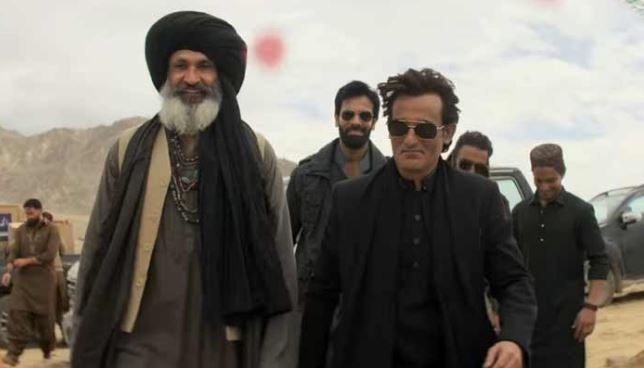
Dhurandhar, released on December 5, has sparked intense debate on social media in Pakistan. Many viewers have either mocked the film or labelled it as a propaganda-driven narrative aimed at portraying Lyari negatively. The storyline revolves around Karachi’s Lyari gang wars and features an Indian spy, played by Ranveer Singh, as the central character.
The film also dramatizes the life of the late gang leader Rehman Dakait, portrayed by Akshaye Khanna. Rehman Dakait was killed in a 2009 police encounter led by then Senior Superintendent of Police (SSP) East Chaudhry Aslam, whose character is depicted in the movie by Sanjay Dutt. These portrayals have been criticised for sensationalising past events and focusing on crime rather than the everyday lives of Lyari residents.
The debate over Dhurandhar highlights a larger issue of cultural misrepresentation in cinema, where films sometimes amplify stereotypes of certain communities or regions for dramatic effect. Critics argue that such portrayals can influence public perception, overshadowing the positive aspects of these communities. In response, Pakistani filmmakers like those behind Mera Lyari are committed to telling authentic stories that celebrate local talent, culture, and the resilience of communities like Lyari.
Sharjeel Memon’s statements have drawn attention to the need for responsible storytelling in both local and international cinema. By focusing on the real narratives of Lyari, films can contribute to a more balanced understanding of the area, showcasing its strengths and achievements alongside any challenges it has faced historically.
The controversy also reflects the growing cultural rivalry in film industries, where Indian and Pakistani cinemas often represent each other through politically or socially charged narratives. For residents of Lyari, however, the focus remains on celebrating their heritage, nurturing talent, and building a positive image of their community both nationally and internationally.
With Mera Lyari on the horizon, Pakistani audiences eagerly await a portrayal that highlights Lyari’s true spirit—its community pride, cultural richness, and stories of resilience—countering decades of negative stereotyping and giving the neighborhood the representation it deserves.