
Focus Keyword: India Russian oil imports
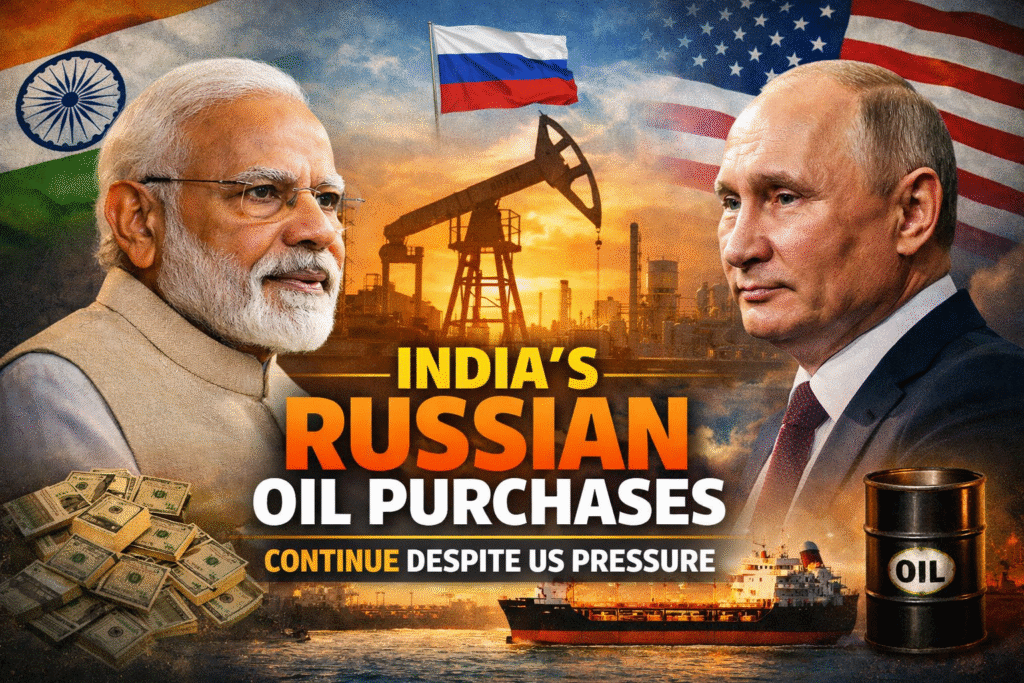
India’s Russian Oil Purchases Continue Despite US Pressure
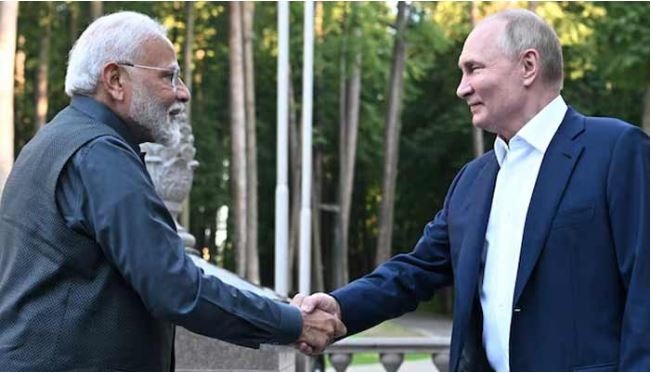
India’s energy sector continues to navigate a complex geopolitical landscape as the Kremlin confirmed that New Delhi has not indicated any plans to stop purchasing Russian oil. This comes in the wake of a recent trade deal between India and US President Donald Trump, which sparked discussions on energy dependence, tariffs, and international diplomacy.
Since Russia launched its military offensive in Ukraine in February 2022, India has increasingly relied on discounted Russian crude to meet its growing energy demands. The discounted oil has offered significant cost advantages for India, but it has also drawn international attention and pressure, particularly from Western nations aiming to restrict Russia’s revenue streams.
Kremlin Confirms No Halt in Oil Purchases
Speaking to the press, Kremlin spokesperson Dmitry Peskov stated, “So far, we haven’t heard any statements from New Delhi on this matter.” This directly counters claims from US President Donald Trump, who suggested that Prime Minister Narendra Modi had committed to ending India’s purchases of Russian oil as part of the new trade agreement.
The Kremlin’s statement underscores the ongoing complexities in global energy politics. Russia remains a major supplier of crude to India, and discounted oil shipments have been instrumental in sustaining bilateral trade.
India-US Trade Deal and Tariff Adjustments
The recent trade negotiations between India and the US resulted in a significant reduction in tariffs on Indian goods. President Trump announced that tariffs on Indian exports would be lowered to 18% from the previously imposed 25% “reciprocal” levies. Additionally, an extra 25% tariff had been applied to India’s Russian oil imports as a form of economic leverage.
Surge in Russian Oil Imports
India’s reliance on Russian crude has been substantial. In 2024, Russia accounted for nearly 36% of India’s total crude oil imports, translating to approximately 1.8 million barrels per day at discounted rates. These discounted prices have been crucial for India, particularly as logistical challenges and Western sanctions have limited Russia’s ability to sell to other markets.
However, the US tariffs have had an impact. Following the imposition of additional levies, India’s monthly oil imports from Russia reportedly dropped by 38%, according to data from India’s Ministry of Commerce and Industry.
Russia’s Commitment to Energy Supplies
During Russian President Vladimir Putin’s visit to New Delhi in late 2025, he assured India of “uninterrupted shipments” of oil. This reaffirmation reflects the strategic importance of the India-Russia energy partnership and the stability both nations aim to maintain in their bilateral trade, even amidst global geopolitical tensions.
Geopolitical Implications
India’s continued import of Russian oil, despite US pressure, highlights several geopolitical considerations:
- Energy Security: India prioritizes affordable and reliable energy sources to meet its growing domestic demand. Russian crude provides both.
- Bilateral Trade Strength: India-Russia trade surged to $68.7 billion in 2024-25, dominated by energy sales, while Indian exports to Russia remain below $5 billion.
- Global Diplomacy: By maintaining its stance on Russian oil, India balances relations with both Russia and the US without fully committing to either side’s demands.
The US-India Dynamics
The US aims to influence India’s energy policies through tariffs and trade negotiations. While tariff reductions improve India-US trade relations, they have not yet led to a concrete change in India’s approach to Russian oil. This careful navigation showcases India’s strategic autonomy in foreign policy decisions.
Future Outlook for India-Russia Energy Relations
Analysts suggest that India is likely to continue its Russian oil imports in the near term, especially given the competitive pricing and supply assurances from Moscow. At the same time, India’s broader energy strategy includes diversifying its sources, including Middle Eastern and domestic crude, to ensure long-term energy security.
Bilateral cooperation is expected to strengthen, with India and Russia exploring new avenues for trade and investment beyond oil, encompassing technology, defense, and infrastructure.
Conclusion
India’s position on Russian oil imports reflects a nuanced approach to international relations. While the US has sought to influence India’s energy choices through tariffs and trade deals, New Delhi continues to prioritize its domestic energy needs and long-term strategic partnerships. As global tensions persist, India’s careful balancing act between economic pragmatism and geopolitical diplomacy remains a key factor in shaping the region’s energy landscape.