
Meta Description
Secondary Keywords
Balochistan attacks, UNSC sanctions, BLA terrorist designation, UN 1267 list, Pakistan counterterrorism strategy, regional security
Pakistan Urges UNSC to Sanction BLA After Balochistan Attacks
The Islamabad government’s demand highlights not only the growing threat of terrorism inside Pakistan’s borders but also the broader regional security challenges impacted by cross-border militant operations. This blog explores the background of the BLA insurgency, what Pakistan’s appeal to the UNSC entails, the possible implications of sanctions, international reaction, and the impact on regional diplomacy.
Understanding the Context of Balochistan Attacks
Balochistan, Pakistan’s largest province by area but one of its most underdeveloped, has long been the epicenter of separatist violence. On January 31, 2026, the BLA executed coordinated terrorist attacks across multiple cities in the province, targeting civilians, security forces, and infrastructure.
These attacks resulted in:
- Dozens of civilian casualties
- Major damage in Quetta, Gwadar, Mastung, and other districts
- Heightened national security operation in response
The depth and brutality of these assaults convinced Pakistani authorities that stronger international action was required.
The BLA: Who Are They?
The Balochistan Liberation Army (BLA) is a separatist militant group involved in a longstanding insurgency in Balochistan. It demands greater autonomy and control over local resources. Pakistan has labeled the BLA an extremist threat and banned the organization within the country.
However, Islamabad’s latest diplomatic outreach seeks unswerving international condemnation and punitive measures against the group at the UN level.
What Pakistan Wants at the UNSC
1. Designation Under UNSC Sanctions Regime
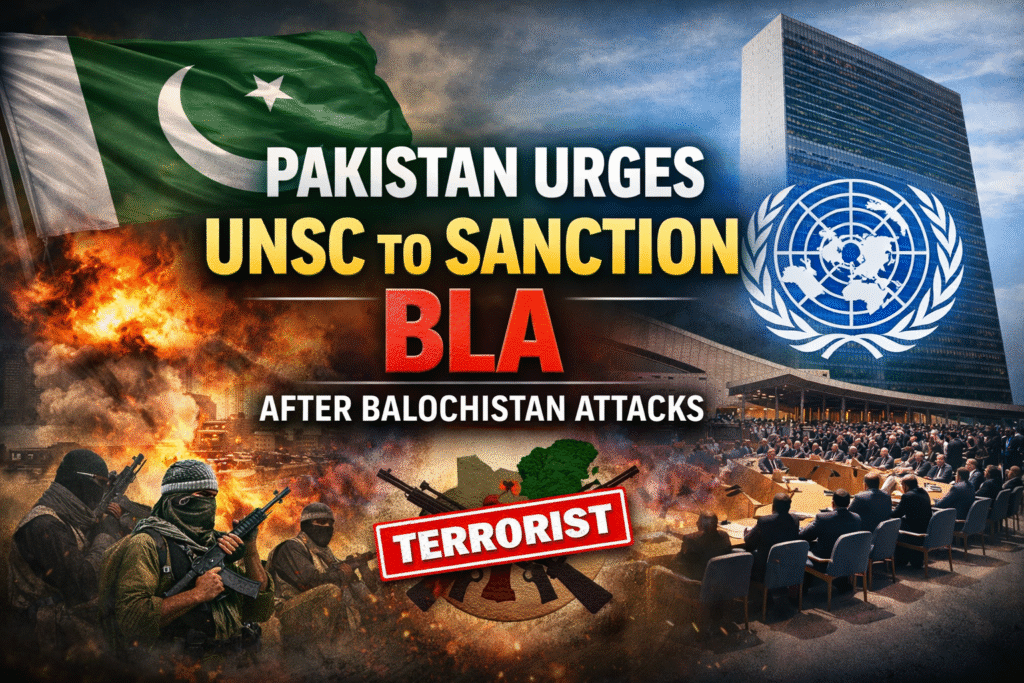
At the heart of Pakistan’s diplomatic push is a call for the United Nations Security Council to designate BLA as a terrorist organization under the UNSC’s 1267 sanctions regime.
Countries sanctioned under this regime are subject to:
- Asset freezes
- Travel bans
- Arms embargoes
This same sanctions framework has been applied to global terror networks such as Al-Qaeda and ISIS.
2. Broader International Commitment
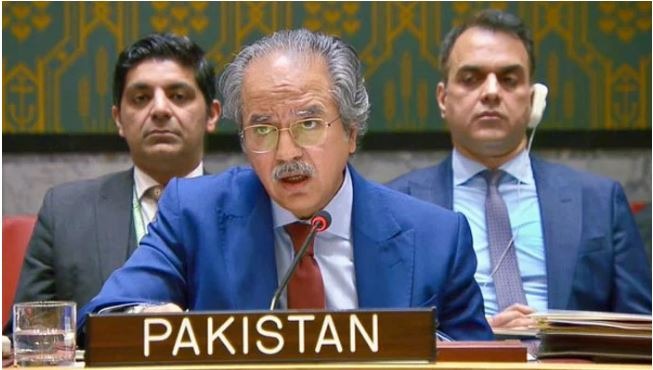
Pakistan argues that terrorist groups operating from neighboring territories have a destabilizing impact on international peace and security. Ambassador Asim Iftikhar Ahmad stressed the need for collective action during a UNSC briefing on terrorist threats.
His message: terrorism in Balochistan is not an isolated issue, but part of a broader threat environment that demands unity and cooperation.
Why Sanctions Matter
Strengthening Legal Tools Against Terror Networks
UNSC sanctions give member states legal authority to:
- Block financial support to terrorist cells
- Restrict movement of militants internationally
- Coordinate intelligence and enforcement across borders
This form of multilateral pressure can severely constrict BLA’s operations beyond Pakistan’s national borders.
Symbolic and Political Weight
A UNSC designation elevates the BLA’s status from a domestic security concern to a global terror threat recognized by the world’s most powerful diplomatic body.
This shift influences:
- International cooperation
- Intelligence sharing
- Funding trace-backs
- Diplomatic support
International and Regional Reactions
UNSC Condemnation of Balochistan Attacks
Before hearing Pakistan’s appeal, the United Nations Security Council condemned the Balochistan attacks, expressing sympathy for victims and urging global cooperation.
The press statement underscored the severity of the violence and the need for accountability and justice.
Supportive Statements from Other Countries
Countries including the United States, United Kingdom, Saudi Arabia, and European states have condemned the attacks and reiterated support for counter-terrorism measures.
These endorsements increase diplomatic leverage for Pakistan’s UNSC appeal.
Challenges Ahead
Despite this support, obtaining a formal sanctions designation at the UNSC may face geopolitical hurdles if member states demand further evidence or have differing strategic priorities.
Pakistan’s Counterterrorism Strategy
Pakistan has consistently maintained that it will not engage in negotiations with terrorist groups like BLA or TTP.
Instead, its approach includes:
- Military operations against insurgents
- Enhanced intelligence cooperation
- Public condemnation and legal designations
- International diplomacy
The government also stresses accountability for external sponsors and facilitators of terrorism.
Long-Term Implications
If UNSC Sanctions Are Adopted…
A successful designation could:
- Limit BLA’s global operations
- Cut off cross-border financing
- Strengthen Pakistan’s diplomatic position
- Encourage multilateral security cooperation
If the Appeal Faces Opposition…
Countries with strategic interests in the region might oppose or delay sanctions. Historical efforts to list BLA have encountered resistance at the Security Council in past years.
Historical Backdrop of Balochistan Insurgency
The insurgency in Balochistan is rooted in long-standing grievances over autonomy, resource sharing, and political representation.
The BLA and other groups emerged over decades, drawing support from segments of the local population disenchanted with federal policies. However, their violent methods have undermined broader political discourse and triggered harsh counter-insurgency measures by the state.
Historic incidents, such as the Quetta bombing in 2025, illustrate how extremist actions have periodically escalated tensions in the region.
FAQs About UNSC Sanctions and the BLA
Q: What is the UNSC 1267 sanctions regime?
A: It’s a framework used by the United Nations Security Council to place individuals or groups on a global sanctions list, often involving asset freezes, travel bans, and arms embargoes.
Q: Why is Pakistan seeking sanctions against BLA?
A: Following a wave of deadly attacks in Balochistan, Pakistan believes a UNSC designation can amplify international pressure and weaken the BLA’s capabilities.
Q: Has the BLA been internationally recognized as a terrorist organization before?
A: Yes; the United States designated the BLA and its affiliate, the Majeed Brigade, as Foreign Terrorist Organizations in the past.
Q: What is the role of the UNSC in global counterterrorism?
A: The UNSC sets international norms, sanctions regimes, and peacekeeping efforts to counter terrorism and threats to global security.
Conclusion
Pakistan’s appeal that Pakistan urges UNSC to sanction BLA reflects its intensified efforts against extremism and terrorism, especially in the wake of devastating attacks in Balochistan. As Islamabad continues to push for international consensus, the global community watches closely — balancing geopolitical interests, evidence requirements, and collective security goals.
Whether the Security Council adopts sanctions against the BLA will significantly impact not only Pakistan’s security objectives but also broader regional stability and counter-terrorism cooperation.