
Meta Description: US special operations seized military-related cargo on a ship headed from China to Iran in the Indian Ocean. Explore details, international implications, and Trump’s actions.
Focus Keywords: US ship raid Iran, US forces India Ocean, military cargo seizure, China Iran shipment, Trump foreign policy, US special operations news, sanctions enforcement
Introduction: US Intercepts Ship in Indian Ocean
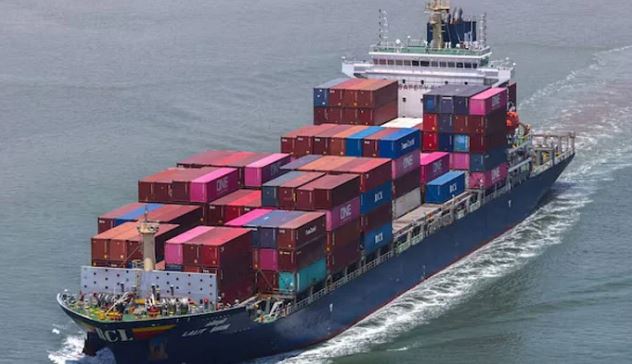
In a significant move highlighting ongoing US efforts to enforce sanctions and prevent the proliferation of military technology, US special operations forces conducted a raid on a ship headed from China to Iran in the Indian Ocean last month. The operation, reported by the Wall Street Journal, involved seizing military-related articles that could have been used for Iran’s conventional weapons program.
The raid underscores growing tensions in international waters and demonstrates the US’s proactive stance on preventing the transfer of sensitive military materials. This event also reflects broader patterns in US foreign policy under President Donald Trump, including actions in Venezuela and the enforcement of sanctions globally.
Details of the Raid
According to US officials cited by the Wall Street Journal, the raid occurred several hundred miles off the coast of Sri Lanka. A special operations team boarded the vessel and confiscated components potentially useful for Iran’s weapons programs, which were subsequently destroyed to prevent further proliferation.
Following the raid, the ship was allowed to continue its voyage, a decision reflecting the US’s strategic objective of disrupting specific shipments without escalating into a broader international incident.
Context: US Operations and Sanctions Enforcement
The November raid came just weeks before the US seized a large oil tanker off the coast of Venezuela, citing violations of international sanctions. President Trump, who has been actively pressuring Venezuelan President Nicolas Maduro to step down, emphasized the US’s enforcement actions:
“We’ve just seized a tanker on the coast of Venezuela, large tanker, very large, largest one ever, actually, and other things are happening.”
These operations form part of a broader Trump administration strategy to counter Iran’s military capabilities, enforce international sanctions, and assert US influence in key global maritime corridors.
Military Cargo and Implications
The cargo seized in the Indian Ocean raid consisted of components potentially usable in Iran’s conventional weapons programs. While specifics have not been publicly disclosed, the seizure signals Washington’s determination to prevent sensitive technology transfers and disrupt Iran’s military procurement channels.
Destroying the seized items demonstrates a preventive measure aimed at minimizing the risk of weapons development and underscores the US commitment to non-proliferation and regional security.
China and Iran: Reactions
Neither China nor Iran immediately responded to reports of the raid. This silence is significant, given the geopolitical sensitivities surrounding arms transfers and sanctions enforcement. Both countries maintain strong bilateral trade ties, and China’s involvement in military shipments to Iran has been a point of international scrutiny for years.
The incident highlights the delicate balance the US must maintain between intervening in potential threats and avoiding direct confrontation with major global powers like China.
Strategic Significance of the Indian Ocean
The Indian Ocean is a critical maritime corridor, connecting the Middle East, South Asia, and Southeast Asia. It is heavily trafficked for trade, energy shipments, and military logistics. US operations in this region serve multiple strategic objectives:
- Enforcing Sanctions: Monitoring and interdicting shipments that violate international restrictions.
- Countering Iran’s Military Reach: Preventing Tehran from acquiring components for conventional or missile capabilities.
- Maintaining Naval Presence: Demonstrating US power projection and ensuring freedom of navigation in international waters.
By conducting raids in this region, the US underscores its commitment to regional stability and maritime security.
Trump’s Foreign Policy and Regional Security
President Trump’s approach to foreign policy has been characterized by assertive action to enforce sanctions, support allies, and counter adversaries. This raid, alongside actions in Venezuela and ongoing efforts against Iran, exemplifies a hands-on strategy to deter adversarial military activity.
Key objectives include:
- Preventing Military Escalation: By seizing weapons components before they reach Iran, the US limits potential conflict triggers.
- Signaling Strength: Demonstrating US readiness to act against violations reinforces deterrence.
- Supporting International Norms: Enforcing UN or US-imposed sanctions aligns with global non-proliferation frameworks.
Global Reactions and Diplomatic Implications
While the raid was tactical and limited in scope, it carries broader diplomatic implications:
- China-US Relations: The seizure may add tension to already strained relations over trade, technology, and military affairs.
- Iran’s Response: Tehran’s potential retaliation or diplomatic protest could complicate negotiations over its military and nuclear programs.
- Regional Security: Countries in the Indian Ocean littoral, including India and Sri Lanka, may face increased military activity and monitoring by US forces.
Diplomats and analysts are watching closely to gauge whether this raid will influence future arms shipments, maritime security protocols, or US-China-Iran interactions.
Historical Context of US Naval Interdictions
US naval and special operations forces have a long history of interdicting shipments deemed a threat to international security. Previous operations have included:
- Counter-proliferation raids in the Middle East to prevent weapons from reaching hostile actors.
- Oil tanker seizures in Venezuela to enforce sanctions and restrict financial resources to targeted regimes.
- Maritime patrols in strategic chokepoints such as the Strait of Hormuz and Bab el-Mandeb to secure shipping lanes.
These operations are part of a strategic toolkit used by the US to safeguard national interests and enforce global norms without resorting to full-scale military action.
Legal and Operational Considerations
Conducting such raids involves careful legal planning and operational precision:
- International Law Compliance: Ensuring actions align with maritime law and respect the sovereignty of international waters.
- Risk Management: Minimizing potential casualties and avoiding escalation with foreign powers.
- Intelligence Gathering: Accurate intelligence is critical to identifying high-risk shipments without disrupting legitimate commerce.
The Indian Ocean raid reflects the precision and coordination required for successful special operations, combining intelligence, tactical skill, and strategic foresight.
Future Implications for US-Iran-China Relations
This raid may influence future diplomatic and military dynamics:
- US-Iran Tensions: Reinforces US vigilance against Iran’s military ambitions, potentially complicating nuclear negotiations.
- US-China Relations: Raises concerns about Chinese exports and their use in foreign military programs, potentially impacting trade and diplomacy.
- Global Security Architecture: Highlights the need for robust maritime monitoring and international cooperation to prevent illegal arms transfers.
Analysts suggest that continued vigilance and coordinated action in maritime corridors will remain a critical aspect of US foreign policy in the region.
Conclusion: Strategic Impact of the Raid
The US raid on a ship heading from China to Iran in the Indian Ocean demonstrates a targeted and strategic approach to global security challenges. By intercepting and destroying military-related cargo, the US signals its commitment to preventing weapons proliferation, enforcing sanctions, and maintaining regional stability.
While the immediate operation was tactical, its broader implications resonate across US-China-Iran relations, maritime security, and international diplomacy. In the context of Trump’s assertive foreign policy, such actions underscore a willingness to act decisively to prevent potential threats, balancing operational necessity with diplomatic prudence.
As global attention turns to the Indian Ocean and strategic shipping routes, the impact of this raid may influence future operations, international cooperation, and regional security policies for years to come.