
Meta Description: Former DG ISI Lt Gen (R) Faiz Hamid jailed for 14 years for political activities, misuse of authority, and retaining classified documents. Explore full case details and implications.
Focus Keywords: Faiz Hamid conviction, former ISI chief, classified documents retention, Pakistan military news, ISI corruption case, Lt Gen Faiz Hamid news, Pakistan security affairs
Introduction: Ex-ISI Chief Convicted and Jailed
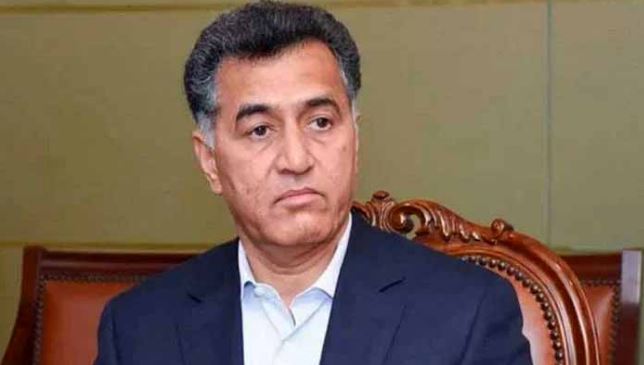
In a landmark development, former Director General of ISI Lt Gen (R) Faiz Hamid has been convicted and sentenced to 14 years in prison. Among the charges, he was found guilty of retaining classified official documents after retirement, a serious violation under the Official Secrets Act, alongside other counts including political activity, misuse of authority, and causing wrongful loss to private individuals.
The case has sent shockwaves across Pakistan’s security and political landscape, highlighting the accountability of high-ranking military officials and the importance of safeguarding sensitive state information.
Charges Against Lt Gen (R) Faiz Hamid
According to official sources and announcements from the Inter-Services Public Relations (ISPR), Lt Gen Faiz Hamid was tried and convicted on four primary counts:
- Engaging in political activities – In violation of the Army Act amendments of 2023, prohibiting retired officers from political involvement for five years.
- Violation of the Official Secrets Act – Retaining classified official documents post-retirement, unauthorized and potentially compromising state security.
- Misuse of authority and government resources – Including actions linked to private housing projects.
- Causing wrongful loss to individuals – Allegedly extorting money and forcing sponsorship deals.
The ISPR did not disclose the precise details of the classified documents, but sources confirm that this charge was central to the case.
Political Activity After Retirement
One of the major counts against Faiz Hamid related to his interactions with politicians, particularly those belonging to the Pakistan Tehreek-e-Insaf (PTI). Reports highlighted that he maintained contact with nearly 50 politicians after retirement, violating the post-retirement restrictions outlined in the Army Act amendments of 2023.
Despite multiple warnings regarding his post-retirement conduct, Faiz Hamid continued these interactions, which were later scrutinized during the inquiry.
Misuse of Authority: The Top City Case
Another critical aspect of the trial involved the Top City housing society matter, where Faiz Hamid was accused of extorting money and misusing his authority:
- On May 12, 2017, Pakistan Rangers and ISI officials raided the Top City offices and the residence of its owner under a purported terrorism case.
- Gold, diamond ornaments, cash, and other valuables were seized during the operation.
- The retired general allegedly took action based on a complaint from a Pakistan-born British national.
- His brother, Sardar Najaf, reportedly mediated during the process, and later, Faiz Hamid allegedly demanded 4 crore rupees in cash and sponsorship of a private TV network.
Although the Rawalpindi-based ATC acquitted him in the terrorism case, the allegations of misuse of authority and extortion formed a core part of the trial.
Retention of Classified Documents
Perhaps the most serious charge was Faiz Hamid’s retention of classified official documents after retirement. According to sources:
- The documents were sensitive and not authorized for retention post-retirement.
- Their possession violated the Official Secrets Act, which is designed to protect Pakistan’s national security and safeguard confidential information.
- While details of the documents have not been disclosed publicly, retaining them post-service constitutes a grave breach of trust and legal protocol.
This charge underscores the critical importance of accountability in military ranks, especially for officers entrusted with the nation’s most sensitive information.
Additional Charges: Causing Wrongful Loss
Faiz Hamid was also charged with causing wrongful loss to individuals connected to another housing society:
- The case involved a former employee who suffered financial loss due to Faiz Hamid’s misuse of authority.
- These charges, combined with the Top City matter, highlighted a pattern of misuse of military influence for personal and political ends.
These counts reflect the broader issue of civil-military accountability and the consequences of overreach by high-ranking officials in Pakistan.
Legal Proceedings and Trial
The trial against Faiz Hamid was conducted under the supervision of the military and civil judicial authorities, highlighting the complexity of prosecuting retired officers for:
- Political interference
- Misuse of authority
- Violation of national security protocols
The ISPR’s announcement confirmed that the 14-year jail term reflects the severity of his offenses, signaling a strict approach toward illegal post-retirement conduct by military officials.
Political and Security Implications
Faiz Hamid’s conviction carries significant implications for Pakistan’s political and security landscape:
- Reinforcing Military Accountability: Demonstrates that even senior officials are subject to law and scrutiny.
- Safeguarding National Security: Highlights the importance of protecting classified information post-retirement.
- Civil-Military Relations: Signals a boundary between military authority and political involvement.
- Public Trust: Enhances credibility in Pakistan’s judicial and military oversight mechanisms.
The verdict is seen as a precedent-setting case in curbing undue influence of retired military officers in politics and private affairs.
Expert Analysis
Security analysts and legal experts note that:
- Retaining classified documents after retirement is a serious breach of trust and could compromise national security if mishandled.
- Political engagement by retired military officers undermines democratic norms and creates perception of military interference in politics.
- The combination of legal, political, and financial misconduct in Faiz Hamid’s case reflects a multi-dimensional pattern of abuse of power.
Analysts suggest that this case could influence future military policy reforms, ensuring stricter enforcement of post-retirement conduct.
Public Reactions
The public response has been mixed:
- Some view the conviction as a positive step toward accountability and reinforcing legal norms.
- Others express concern about high-level corruption and misuse of power, calling for broader reforms to prevent such incidents.
Media coverage emphasizes the political sensitivity of the case, given Faiz Hamid’s interactions with multiple politicians and influence in civil affairs.
Lessons and Takeaways
The case of Lt Gen (R) Faiz Hamid serves as a reminder that:
- Post-Retirement Restrictions Are Crucial: Military officers must adhere to restrictions to prevent political or personal misuse of influence.
- Sensitive Information Must Be Protected: Retention of classified documents is a serious violation with potential national security consequences.
- Accountability Matters: No officer, regardless of rank, is above the law.
- Civil-Military Balance: Reinforces boundaries between military authority and political engagement in democratic societies.
These lessons will likely shape future military policies and guidelines for retired officers in Pakistan.
Conclusion: A Landmark Conviction
The conviction of former ISI chief Lt Gen (R) Faiz Hamid represents a major milestone in Pakistan’s accountability framework. With charges spanning political activity, misuse of authority, retention of classified documents, and causing financial loss, the 14-year jail sentence underscores the seriousness of violations committed by senior officers.
This case will serve as a cautionary tale for other military personnel, emphasizing that breaches of trust, misuse of authority, or illegal political involvement will face legal consequences, regardless of rank or influence.
By holding high-ranking officials accountable, Pakistan reinforces the rule of law, protects national security, and ensures a more transparent civil-military relationship for the future.