
By [FARHAN]
Published December 14, 2025
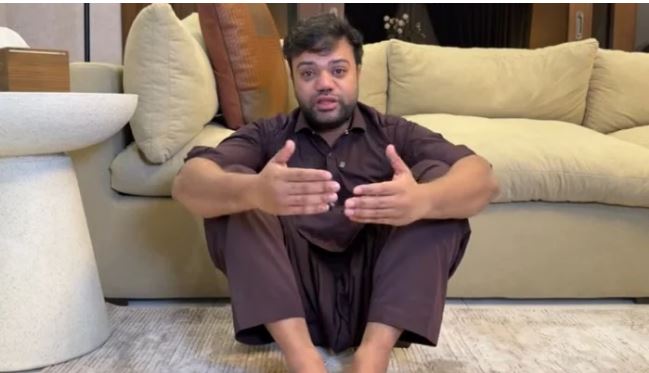
In a shocking revelation that has sent ripples across Pakistan’s social media and legal circles, popular YouTuber Saad Ur Rehman, widely known as Ducky Bhai, alleged that he faced torture, humiliation, and intimidation during his nearly three-month custody with the National Cyber Crime Investigation Agency (NCCIA). The YouTuber’s explosive account, released on his YouTube channel, details a harrowing experience that he claims involved physical abuse, verbal harassment, and the misuse of authority by senior officials.
Arrest and Initial Detention
Ducky Bhai was arrested on August 17, 2025, at Lahore Airport as he was about to leave Pakistan, in connection with a gambling application case. Authorities alleged that he was involved in money laundering and the promotion of gambling apps, a charge that triggered widespread attention given his prominence as a digital content creator with over eight million subscribers. The arrest immediately became a trending topic on social media, with supporters and critics alike voicing opinions about the role of social media influencers and the reach of cybercrime regulations in Pakistan.
Following his arrest, Rehman was placed in NCCIA custody. According to his account, he spent nearly three months under constant supervision and interrogation. During this period, he claimed that the conditions of detention were severe, and he was subjected to repeated acts of humiliation that went beyond routine interrogation practices.
Allegations of Physical and Verbal Abuse
In a tearful video released online, Ducky Bhai recounted multiple instances of abuse, naming former NCCIA Lahore Additional Director Sarfraz Chaudhry as the primary officer responsible. Rehman alleged that Chaudhry repeatedly slapped him on the face, insulted him using obscene language, and forced him into physically uncomfortable positions during interrogation.
“He takes the handcuff, puts it on my hand and says, ‘come with me,’” Rehman recalled. He described being led into Chaudhry’s office, where several other officers were present. According to Rehman, the officer first demanded to know which application he was the “country head” of. When Rehman explained that he was a YouTuber who earned revenue from advertisements on his platform, Chaudhry allegedly became enraged, accusing him of “corrupting the children of my beloved homeland.”
Rehman further alleged that he was made to bend his legs and raise his arms while being verbally abused. The YouTuber said that the officer repeatedly struck him until, in his words, “his heart was satisfied.” He also stated that at one point, he was forced to participate in a video call with a seven-year-old child, allegedly to intimidate the child and deter them from consuming his content. The incident, Rehman claimed, left him mentally shaken and humiliated, as it crossed the line between professional interrogation and psychological manipulation.
Context and Controversy Surrounding Chaudhry
The accusations against Chaudhry come amid a series of controversies involving his conduct at the NCCIA. In September 2025, Chaudhry was dismissed from service and removed from his post following multiple allegations, including those of abusing authority and physically assaulting detainees. Subsequently, in October, the Federal Investigation Agency (FIA) arrested him along with six other NCCIA officers on charges of misuse of authority and accepting bribes.
Legal experts and human rights activists have noted that Rehman’s allegations, if proven, could point to systemic issues within the NCCIA, particularly concerning the treatment of individuals in custody. While Pakistan’s cybercrime laws empower authorities to investigate online financial crimes, the use of physical abuse or intimidation is prohibited under both national law and international human rights conventions to which Pakistan is a signatory.
Ducky Bhai’s Public Response
Following his release on bail from the Lahore High Court on November 26, 2025, Rehman addressed his millions of followers in a video that went viral across social media platforms. Breaking down in front of the camera, he expressed the emotional and psychological toll the custody had taken on him.
“I want the nation to know what actually happened to me during those months,” he said. “It was not just about being interrogated. It was humiliation, it was fear, it was intimidation. I have never experienced anything like this in my life.”
Rehman’s revelation drew immediate support from fellow content creators, civil society members, and legal experts, many of whom voiced concern over the alleged misuse of authority by law enforcement officials. Social media users flooded platforms like Twitter, Instagram, and TikTok with the hashtag #JusticeForDuckyBhai, sparking debates on the balance between enforcing cybercrime laws and ensuring the humane treatment of suspects.
Impact on the YouTube Community and Digital Space
The allegations have also ignited broader discussions within Pakistan’s digital content community. Many creators argue that the aggressive policing of online activities, especially involving monetary transactions and apps, should be accompanied by transparency and procedural safeguards. Ducky Bhai’s case, in particular, highlights the vulnerabilities faced by high-profile content creators when navigating complex legal frameworks around online monetization and social media influence.
Legal analysts point out that while promoting gambling applications can constitute a criminal offense under Pakistan’s Prevention of Electronic Crimes Act (PECA), the treatment of suspects during investigation must adhere to established legal standards. “Even if the suspect is involved in an offense, the use of torture, humiliation, or threats is illegal and violates constitutional protections,” said a senior Islamabad-based legal practitioner familiar with cybercrime law.
Previous Bail and Current Status
After enduring months in detention, Rehman secured bail from the Lahore High Court, allowing him to return to civilian life. During the bail proceedings, the court highlighted the importance of balancing the investigation with the rights of the accused. While the legal process continues against Rehman in the gambling application case, the public narrative has shifted to focus on alleged custodial misconduct and the accountability of officials.
Psychological and Emotional Effects
In his video, Rehman candidly discussed the psychological impact of the alleged abuse. He described feelings of fear, helplessness, and anxiety, emphasizing that the methods used by the officer were designed to intimidate him and send a message to others. Experts on psychological trauma note that custodial abuse can have long-term effects on mental health, including post-traumatic stress disorder (PTSD), anxiety, and depression.
“Being subjected to slaps, verbal abuse, and forced participation in humiliating acts can have profound psychological repercussions,” said Dr. Samina Riaz, a psychologist based in Lahore. “Ducky Bhai’s account reflects classic signs of psychological intimidation and coercion.”
Government and Law Enforcement Response
At the time of publication, the NCCIA had not issued an official response to Rehman’s allegations. However, following Chaudhry’s removal and the arrests of other officers, there appears to be an ongoing inquiry into misconduct within the agency. Human rights organizations have urged the government to conduct a thorough investigation into the treatment of suspects in cybercrime cases, emphasizing that procedural transparency and accountability are critical to maintaining public trust in law enforcement.
Broader Implications
The Ducky Bhai case has broader implications for Pakistan’s digital governance and regulatory framework. As online content creation and digital monetization grow, the legal and ethical responsibilities of law enforcement agencies are increasingly under scrutiny. Cases like this highlight the need for clear guidelines on the interrogation of content creators, ensuring that investigations remain effective while respecting human rights and dignity.
Civil society advocates have also called for the establishment of independent monitoring mechanisms for agencies like NCCIA, arguing that allegations of abuse can erode public confidence and discourage legitimate participation in Pakistan’s rapidly growing digital economy. “Transparency and accountability are not just legal obligations—they are essential for fostering a safe digital ecosystem,” noted Fawad Khan, a rights activist based in Islamabad.
Reactions from the Public
The online reaction to Rehman’s allegations has been swift and widespread. Thousands of social media users expressed solidarity with the YouTuber, sharing stories of similar experiences or voicing concerns about custodial practices in Pakistan. Prominent YouTubers, TikTokers, and influencers issued statements supporting Rehman, urging authorities to conduct impartial investigations and ensure justice.
Several parliamentary members and civil society leaders also weighed in, stressing that human rights protections must be upheld even in cases involving cybercrime. The National Assembly’s Standing Committee on Information Technology has reportedly taken notice of the case and is expected to discuss oversight mechanisms for NCCIA in upcoming sessions.
Ducky Bhai’s Message to Followers
Despite the ordeal, Rehman conveyed a message of resilience to his followers. He emphasized the importance of continuing his work as a content creator while advocating for fair treatment of all individuals, including those in the digital space. “I want this to be a lesson for the system and for the public,” he said. “We must uphold justice and human dignity, no matter who we are or what we do.”
Conclusion
The allegations made by Ducky Bhai against the NCCIA have brought into sharp focus the challenges faced by content creators and the ethical responsibilities of law enforcement agencies in Pakistan. While the legal process regarding the gambling application case continues, the YouTuber’s revelations have sparked a national conversation about custodial rights, the treatment of suspects, and the need for systemic reforms to ensure transparency and accountability.
As the country watches closely, the Ducky Bhai case may become a landmark in shaping policies around digital content regulation, cybercrime investigation, and human rights in Pakistan. For now, the focus remains on the ongoing investigation, the fate of the officers involved, and the broader implications for Pakistan’s digital landscape.