
Meta Description: Explore how US President Donald Trump’s administration is engaging with Russia, the potential peace plans for Ukraine, and the challenges facing a resolution of the ongoing war.
Focus Keywords: Trump Russia Ukraine, Russia-Ukraine war 2025, US Russia relations, Trump peace plan, Putin Trump summit, Ukraine ceasefire prospects, international security
Introduction: Trump 2.0 and Global Expectations
As 2025 draws to a close, the world watches closely the role of US President Donald Trump in international diplomacy, particularly regarding the Russia-Ukraine conflict. Recently, Russian President Vladimir Putin endorsed Trump for the Nobel Peace Prize, despite the war still ongoing. Analysts and diplomats are examining why Russia appears to prefer Trump over his predecessor, Joe Biden, and whether recent peace initiatives could bring lasting stability to Eastern Europe.
The ongoing conflict has created immense geopolitical tension, not just between Russia and Ukraine, but involving the European Union, NATO, and the United States. The situation requires nuanced negotiation, strategic patience, and acknowledgment of historical and contemporary security concerns.
US-Russia Relations in the Trump Era
In an interview with Russian Consul General in Karachi, Andrey V. Fedorov, several aspects of the US-Russia relationship were discussed. Fedorov noted that the Trump administration began its term amid some of the most strained relations since the Cold War. Nevertheless, Trump’s team has shown a willingness to partially revise prior US policies, signaling opportunities for dialogue.
According to Fedorov, trade between the US and Russia has increased by over 20%, though sanctions continue to limit broader economic cooperation. Key sectors with potential for growth include energy, high technology, and digital solutions, yet these remain constrained under current international sanctions.
Areas of Ongoing US-Russia Cooperation
Despite geopolitical tensions, the US and Russia maintain collaboration in several critical areas:
- Space Exploration: Cooperation on the International Space Station (ISS) and related scientific research continues.
- Nuclear Security: Dialogue on nuclear weapons remains essential, with Trump showing understanding of responsibilities as a nuclear power. Putin has proposed extending New START Treaty targets by another year, contingent on US agreement.
- Scientific Projects: Joint projects on the International Thermonuclear Experimental Reactor (ITER) and Arctic research demonstrate potential for shared innovation.
These areas underscore that, despite sanctions and political disagreements, science and strategic stability remain common ground for cooperation.
Diplomatic Summits and High-Level Meetings
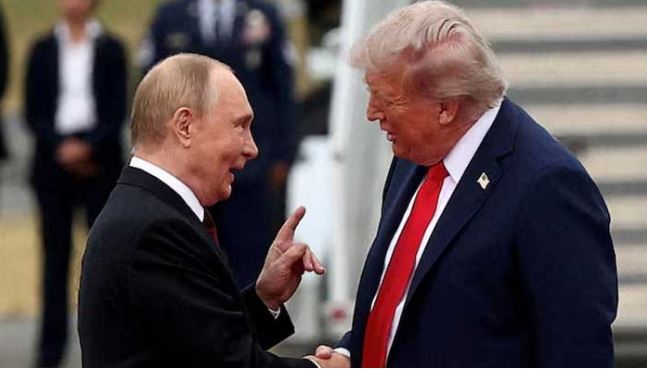
The recent presidential summit in Alaska marked the first such engagement in over four years. Previous meetings under Biden yielded limited results, while Trump’s approach emphasizes resolving root causes rather than just symptoms of conflicts.
During December 2 meetings at the Kremlin, US Special Envoy Steve Witkoff and Jared Kushner spent five hours discussing strategic cooperation. These discussions provided a foundation for continued dialogue between the US and Russia, illustrating Trump’s willingness to pursue constructive engagement despite opposition from European allies.
Who’s Calling the Shots?
After high-level negotiations, President Trump communicates outcomes with his administration and international partners. Fedorov emphasized that while European nations, the EU, NATO, and Ukraine have attempted to influence US policy, Trump prioritizes constructive dialogue with Russia over adopting confrontational stances. This approach contrasts with Biden-era policies, which often emphasized punitive measures against Moscow.
The Quest for a Fair Security Balance
Putin has repeatedly stressed that resolving the Ukraine conflict requires restoring a fair security balance in Europe. This includes preventing NATO expansion into Ukraine and respecting agreements on indivisible security. Russia’s proposals, submitted as early as December 2021, sought binding guarantees for its security interests, but were largely rejected by Western powers.
Fedorov explained that a multipolar global framework, incorporating the Global South and East, may offer a more equitable security structure. Initiatives such as the Eurasian Charter of Diversity and Multipolarity aim to promote peace and stability while respecting sovereign security needs.
Obstacles to a Russia-Ukraine Peace Deal
Despite progress in dialogue, several obstacles impede a lasting agreement:
- European Interference: EU and NATO countries continue to influence Kyiv, demanding continued resistance against Russia. This undermines potential compromises and prolongs the conflict.
- Territorial Misconceptions: Media reports often exaggerate Russia’s territorial ambitions. Fedorov stressed that Russia prioritizes the welfare of local populations in Donbas over land acquisition.
- Historical Missed Opportunities: Previous agreements in Belarus and Turkey (April 2022) could have ended hostilities, focusing on Ukraine’s neutrality and non-nuclear status, but were blocked under Western pressure.
- Legitimacy of Ukrainian Leadership: Questions over President Zelensky’s negotiation authority complicate treaty prospects.
The Leaked Peace Plan
Discussions around a 27-point peace plan illustrate the complexity of resolving the conflict. The plan, which includes security guarantees for Ukraine, has not yet been finalized. Some points are acceptable, others require negotiation, highlighting the need for patience and trust in diplomatic channels.
Fedorov warns against media speculation, noting that leaks often aim to undermine negotiation efforts rather than provide insight. Both sides are committed to careful, confidential deliberation before public announcements.
Trump’s Strategic Approach
Trump’s strategy is rooted in understanding root causes, including:
- NATO expansion threats to Russia
- Protection of Russian-speaking populations in Ukraine
- Long-term European security architecture
By addressing these issues, Trump aims to create conditions for a sustainable peace, rather than a temporary ceasefire. His administration views peace as requiring mutual compromise, not unilateral concessions.
Potential Scenarios for Resolution
- Negotiated Settlement:
If compromise on security guarantees, territorial administration, and political autonomy for Donbas is achieved, a framework for lasting peace may emerge. - Extended Conflict:
Continued European military and economic pressure on Ukraine may delay negotiations, potentially prolonging hostilities. - Multipolar Security Architecture:
Russia advocates for a global security system respecting sovereignty and equal rights, which could reshape European and Eurasian stability in the long term.
Conclusion: The Road Ahead
While the Russia-Ukraine war remains unresolved, Trump 2.0 offers a distinct diplomatic approach compared to previous administrations. By emphasizing dialogue, recognizing legitimate Russian security concerns, and seeking constructive engagement, the Trump administration may create new opportunities for peace.
However, significant obstacles remain, including European interference, historical mistrust, and ongoing military operations. Resolving the conflict will require careful negotiation, compromise, and an inclusive security framework that balances the interests of all stakeholders.
As global attention remains fixed on Eastern Europe, the next steps in US-Russia diplomacy under Trump could determine whether 2026 brings a turning point toward peace or continued conflict.