
Meta Description: Analysts say the US defense package will modernize Pakistan’s F-16 fleet, enhance combat readiness, interoperability, and mission capabilities, securing regional stability while strengthening US-Pakistan defense ties.
Focus Keywords: Pakistan F-16 upgrade, US defense package Pakistan, Pakistan Air Force 2040, F-16 modernization, US-Pakistan military cooperation, regional security Pakistan, PAF F-16 Block 52
Introduction: US-Pakistan Defense Ties Strengthened
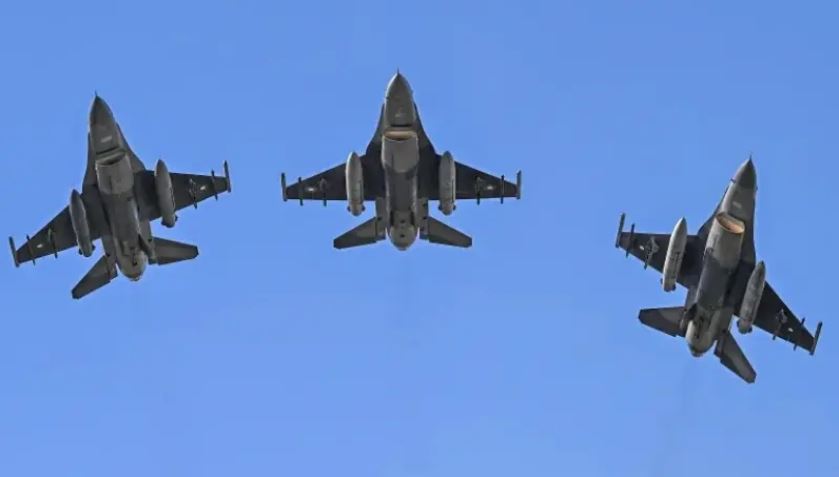
The US administration under President Donald Trump has offered Pakistan a $686 million defense package aimed at modernizing its ageing fleet of F-16 fighter jets. Analysts say this initiative will ensure Pakistan Air Force (PAF) jets remain operational and combat-ready through 2040, reinforcing regional stability and long-standing military cooperation between the two countries.
The package reflects a strategic commitment to maintaining interoperability between Pakistan’s F-16 fleet and contemporary air forces, while addressing critical safety and operational concerns in the PAF’s existing Block-52 and Mid Life Upgrade aircraft.
Overview of the F-16 Modernization Package
The defense package includes a comprehensive set of upgrades and support services to enhance the operational efficiency of Pakistan’s F-16 fleet:
- Service Life Extension: Ensures aircraft remain fully functional for at least another 15 years.
- Advanced Avionics and Technologies: Modernizes navigation, communication, and targeting systems.
- Secure Communications: Enhances real-time sharing of tactical data with command centers and allied forces.
- Mission Planning and Testing Tools: Improves pilot proficiency and operational readiness.
- Maintenance and Logistics Support: Provides spare parts, repair components, engineering assistance, technical documentation, and simulator-based training.
Analysts believe this networked and interoperable F-16 fleet will significantly boost Pakistan’s air combat capabilities and mission readiness.
Strategic Importance for Pakistan Air Force
Experts stress that the F-16 modernization package is vital for PAF’s long-term operational viability:
- Combat Readiness: Enables sustained operations against evolving threats.
- Regional Balance: Maintains stability in South Asia, particularly vis-à-vis India.
- Interoperability with US Forces: Ensures seamless cooperation in joint exercises and potential contingency operations.
- Pilot and Technical Training: Keeps PAF personnel proficient in advanced systems.
The package represents a continuation of decades-long US support for Pakistan’s American-made fighter jets, ensuring the fleet remains aligned with international standards of air warfare.
Expert Analysis: Strategic and Political Implications
According to the International Crisis Group (ICG), the package underscores the long-standing US-Pakistan defense relationship, which prioritizes maintaining Pakistan’s F-16 fleet for regional security despite concerns from India.
ICG analyst Praveen Donthi told Al Jazeera:
“Extending support for Pakistan’s jets remains a core part of US-Pakistan ties, with continuity from the Biden to the Trump administration.”
Meanwhile, Michael Kugelman, a Washington-based South Asia specialist, noted that the deal:
- Provides long-term operational logic beyond optics.
- Serves as a stabilizing factor in US-Pakistan military cooperation.
- Can influence US-India trade and defense discussions.
Technical Details: What the Package Includes
The $686 million package covers:
- F-16 Block-52 Upgrades: Enhances avionics, flight safety, and combat systems.
- Mid Life Upgrade (MLU): Refurbishes key components to extend service life.
- Link-16 Integration: Enables networked data sharing between aircraft, ground units, and command centers.
- Training and Simulators: Ensures pilots and maintenance staff are fully capable of handling upgraded systems.
- Spare Parts and Logistics: Replacement components, engineering assistance, and technical manuals included to sustain operations.
These upgrades collectively allow PAF F-16s to remain fully combat-capable well into 2040.
Regional Security Considerations
While the package enhances Pakistan’s defensive and offensive capabilities, the US has emphasized that it will not alter the military balance in South Asia.
- India’s Concerns: India views the upgrade as potentially strengthening Pakistan’s air power.
- US Assurance: The DSCA letter to Congress confirms the sale aligns with US foreign policy and national security objectives, ensuring Pakistan retains interoperability with partner forces.
- Counterterrorism Role: The package supports ongoing joint operations and preparation for future contingencies.
The upgrades reflect a balance between regional stability, operational efficiency, and strategic deterrence.
Historical Context: US-Pakistan Military Cooperation
The F-16 package continues a long-standing defense collaboration:
- Past Agreements: US has historically supplied Pakistan with F-16s and parts for maintenance.
- Interoperability: Maintains joint capabilities in exercises and operations.
- Strategic Partnership: Ensures Pakistan remains capable of addressing regional threats.
Experts note that despite increasing Chinese military imports, including J-10 fighter jets, Pakistan continues to diversify its air power while retaining US-made F-16s as a critical component of national defense.
The Role of F-16s in Pakistan’s Air Strategy
The F-16 Fighting Falcons are central to Pakistan’s air combat strategy:
- Air Superiority: Provides an edge in aerial warfare scenarios.
- Strike Capability: Enhances offensive and defensive operational options.
- Interoperability: Enables joint missions with allied forces, particularly in counterterrorism operations.
- Training and Simulation: Advanced simulators included in the package ensure pilot proficiency with modernized systems.
This package ensures that Pakistan’s F-16 fleet remains strategically relevant for decades to come.
Implications for China-Pakistan Military Dynamics
Pakistan’s increasing reliance on Chinese defense platforms, particularly J-10 fighters, highlights a diversification strategy:
- Reduces dependency on any single foreign partner.
- Ensures balance between US and Chinese military support.
- Strengthens operational readiness in diverse combat scenarios.
The US F-16 package complements this approach by sustaining interoperability with American systems while leveraging Chinese acquisitions for broader defense flexibility.
Official Statements: DSCA and US Defense Support
The US Defense Security Cooperation Agency (DSCA) highlighted key points in its December 8 letter to Congress:
- Supports US Foreign Policy: Ensures Pakistan’s interoperability with partner forces.
- Maintains Combat Readiness: Upgrades and refurbishments extend F-16 operational life through 2040.
- Technical Support: Provides training, maintenance, and spare parts.
- Regional Stability: The sale will not disrupt the basic military balance.
- Absorption of Technology: Pakistan is fully capable of integrating the new systems into its air force.
The package thus represents both a technical and diplomatic milestone for US-Pakistan defense relations.
Analysts’ View: Strategic Rationale
Experts argue that the F-16 upgrade package is a strategic investment for both countries:
- For Pakistan: Maintains combat-ready air force, enhances national security, and preserves interoperability.
- For the US: Strengthens a key regional ally, supports counterterrorism missions, and preserves influence in South Asia.
- Long-Term Impact: Ensures the PAF remains modernized, networked, and operationally viable well into 2040.
Conclusion: Pakistan’s F-16s Poised for the Future
The $686 million US defense package marks a significant milestone for Pakistan Air Force modernization, ensuring that its F-16 fleet:
- Remains combat-ready and technologically advanced.
- Is interoperable with US and partner forces.
- Can effectively address regional security challenges.
- Maintains operational viability through 2040.
As Pakistan continues to diversify its defense capabilities, this package strengthens both the strategic and operational resilience of the PAF, while reinforcing US-Pakistan military cooperation in a complex regional environment.